Problem: Toothache Is Usually Ignored as “Just a Dental Issue”
A toothache is one of the most common pains people experience. Most of the time, it is blamed on cavities, gum infection, or wisdom teeth. People reach for painkillers, rinse with salt water, or delay seeing a dentist.
That approach usually works.
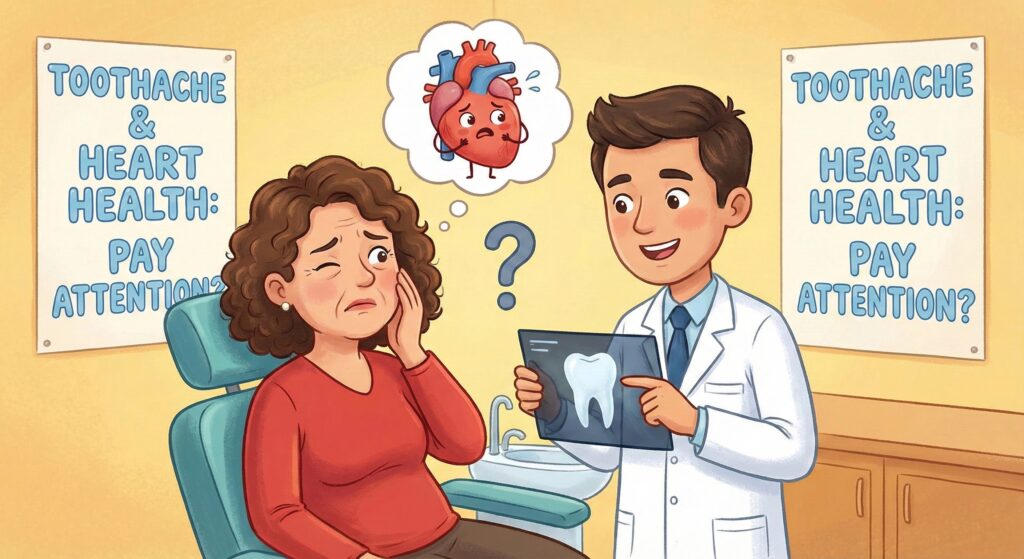
But in rare cases, a toothache—especially in the lower jaw—may have nothing to do with the teeth at all. It can be a warning sign of something far more serious: a heart attack.
This connection surprises many people. The heart and the teeth seem completely unrelated. Yet medical research and real-world case studies show that cardiac pain can sometimes show up in the jaw, teeth, or face.
Missing this sign can be dangerous.
Why This Matters
Heart disease is the leading cause of death worldwide. According to the World Health Organization, cardiovascular diseases cause an estimated 17.9 million deaths each year. Many of these deaths happen because early warning signs are ignored or misunderstood.
Chest pain is the most well-known symptom of a heart attack. But not everyone gets chest pain. Some people—especially women, older adults, and people with diabetes—experience unusual symptoms instead.
One of those unusual symptoms can be tooth or jaw pain.
Impact: When Tooth Pain Is Not Coming From the Tooth
Heart-related toothache is known as referred pain. This happens when pain from one part of the body is felt in another area.
The nerves that supply the heart also connect with nerves in the jaw, neck, and left arm. Because of this shared nerve pathway, the brain can misinterpret heart pain as dental pain.
This creates a serious problem.
A person may feel strong pain in the lower teeth or jaw, assume it is a dental issue, and delay medical help. Meanwhile, the heart muscle may be losing oxygen.
What Research Shows
A study published in the Journal of the American Dental Association reported cases where patients visited dentists for severe tooth pain, but dental exams showed no clear cause. Later, these patients were diagnosed with heart problems, including myocardial infarction (heart attack).
Another clinical review found that up to 40% of patients with heart attacks experience pain outside the chest, including the jaw, teeth, neck, or face.
These are not rare coincidences. They are documented medical events.
Real Case Example
One well-known case involved a 56-year-old man who visited his dentist complaining of persistent lower jaw pain on the left side. X-rays showed no cavities, infections, or gum disease. The pain did not change with chewing or temperature.
The dentist referred him to a physician. An ECG and blood tests later confirmed he was experiencing an ongoing heart attack. Immediate treatment prevented major heart damage.
Without that referral, the outcome could have been fatal.
Warning Signs That Make Toothache More Concerning
A heart-related toothache often looks different from a normal dental problem. Red flags include:
Pain in the lower jaw or left side of the face
Tooth pain with no visible dental cause
Pain that feels deep, dull, or pressure-like
Toothache combined with shortness of breath
Pain along with sweating, nausea, or dizziness
Jaw pain that comes with physical activity or stress
Pain that does not improve with painkillers
If tooth pain appears with any of these symptoms, it should not be ignored.
Why Dentists and Doctors Take This Seriously
Modern dentistry does not work in isolation from general health. Dentists are trained to recognize when pain does not match dental findings.
Several dental case studies highlight the importance of ruling out heart issues when unexplained jaw pain appears. In some reported cases, dentists were the first healthcare professionals to suspect heart disease.
This is especially important for patients who already have risk factors such as:
High blood pressure
Diabetes
Smoking history
High cholesterol
Family history of heart disease
Obesity
For these patients, unusual pain should raise concern.
Solution: How to Respond to Toothache That Feels “Different”
The goal is not to create fear. Most toothaches are dental in origin. Cavities, abscesses, and gum disease remain the most common causes.
But awareness saves lives.
What Patients Should Do
If you experience tooth or jaw pain, ask yourself:
Is this pain different from past toothaches?
Is there swelling, decay, or gum infection?
Does the pain come with chest tightness or breathlessness?
Does it worsen with walking or climbing stairs?
If the answer to these questions raises concern, seek medical help immediately. Call emergency services rather than waiting for a dental appointment.
What Dentists Do
When dentists see jaw or tooth pain without a clear dental cause, responsible practice includes:
Taking a detailed medical history
Asking about chest discomfort and breathing
Checking for risk factors
Referring the patient to a physician when needed
This collaborative approach between dentistry and medicine prevents delayed diagnosis.
Prevention: Reducing the Risk Before Symptoms Appear
The link between oral health and heart health goes beyond toothache. Studies show that gum disease is associated with increased risk of heart disease due to chronic inflammation.
Good prevention includes:
Regular dental check-ups
Managing gum disease early
Controlling blood pressure and blood sugar
Quitting smoking
Staying physically active
Following heart-healthy diets
Prevention reduces confusion between dental pain and medical emergencies.
Support for TRICARE Patients and Military Families
Dental pain can be stressful, especially when you are managing healthcare in a new system or country. For TRICARE patients and US military families in the UK, having clear support makes a real difference.
The Thatch Dental Practice welcomes TRICARE patients and is an official TRICARE Overseas Preferred Provider, working closely with United Concordia. Our team understands both dental urgency and the administrative side of care, so you are not left navigating it alone.
TRICARE Coverage and Treatment Costs
TRICARE coverage depends on your individual plan and the type of treatment required. Before starting any treatment, we clearly explain your options and discuss expected costs, allowing you to make an informed decision.
For treatments covered by TRICARE, claims are submitted directly to TRICARE/United Concordia. In most cases, you do not need to pay us directly.
Help With Claims and Paperwork
We handle the administrative process for you. Our experienced team submits claims on your behalf and provides any required clinical notes or supporting documentation.
You do not need to complete paperwork or manage claims yourself.
Urgent Appointments for Toothache
If you are experiencing tooth pain or discomfort, please contact us as soon as possible. We will do our best to offer the earliest appropriate appointment, especially where pain may indicate a more serious underlying issue.
You can reach our team by email at patient.coordinator@thethatchdental.co.uk, or use the chatbot on our website for quick assistance.
Care for Children and Families
We provide dental care for both adults and children and are happy to support families with routine check-ups, preventive care, and ongoing oral health needs.
New to the UK?
If you are newly posted to the UK or unfamiliar with the healthcare process here, our team will guide you step by step. We have extensive experience supporting military families and ensure smooth, timely access to dental care without unnecessary complications.
Final Thoughts: Toothache Is Usually Simple—But Sometimes It Is Not
A toothache is usually just a toothache. But in rare cases, it can be the body’s way of signaling a heart problem.
Medical literature and real case studies confirm that heart attacks can present as jaw or tooth pain, especially when no dental cause is found.
Knowing this connection helps patients act faster and helps dentists make safer decisions.
When pain does not make sense, do not ignore it.
Listening to your body—and acting early—can make the difference between recovery and regret.