Problem: Gum Problems Are Common During Pregnancy, But Often Ignored
Pregnancy brings many changes to the body. Most women expect morning sickness, back pain, and fatigue. What many do not expect is bleeding gums, swelling, or persistent bad breath. These oral symptoms are often brushed aside as minor issues.
The reality is different.
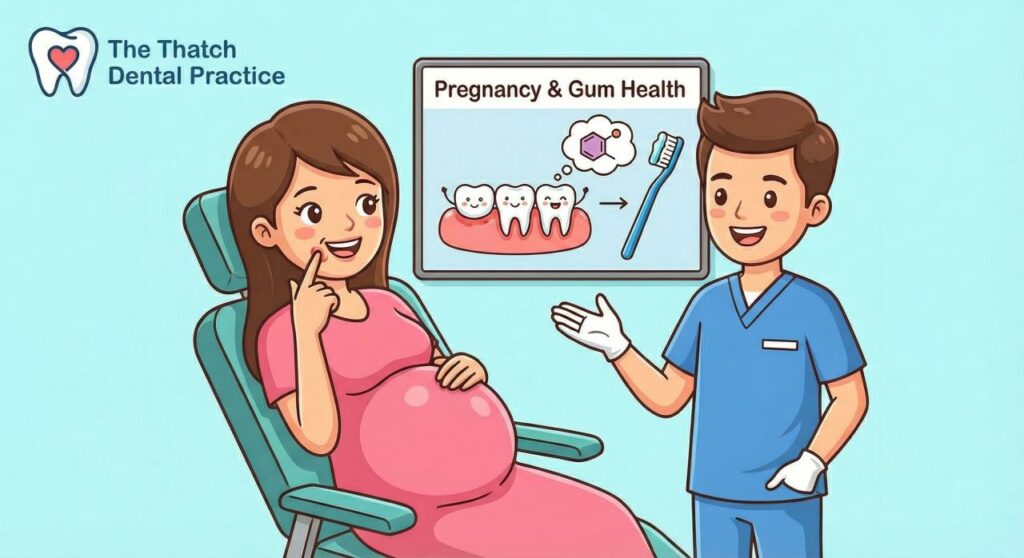
Studies show that 60–75% of pregnant women develop some form of gum disease, commonly known as pregnancy gingivitis. This condition usually appears between the second and eighth month of pregnancy. Many women experience symptoms but delay dental visits because they assume dental care is unsafe during pregnancy or that gum problems are temporary.
Ignoring gum health during pregnancy is a serious mistake.
Gum disease does not just affect the mouth. Research now shows a strong connection between gum disease and pregnancy outcomes. When oral health is neglected, the risk does not stay limited to bleeding gums—it can affect both mother and baby.
Impact: How Pregnancy Makes Gums More Vulnerable
Pregnancy itself does not directly cause gum disease. Instead, hormonal changes increase the body’s reaction to plaque bacteria.
Hormonal Changes and Gum Inflammation
During pregnancy, levels of estrogen and progesterone increase sharply. These hormones affect blood flow to the gums, making them more sensitive and more likely to swell and bleed.
Even small amounts of plaque can trigger inflammation. This is why some women with good oral hygiene still develop gum problems during pregnancy.
A study published in the Journal of Periodontology found that pregnant women had significantly higher gum inflammation levels than non-pregnant women with the same plaque levels. This confirms that pregnancy hormones intensify the body’s response to bacteria.
Morning Sickness and Oral Health
Morning sickness also plays a role. Frequent vomiting exposes teeth and gums to stomach acid. This weakens enamel and irritates gum tissue.
Many women avoid brushing after vomiting because of nausea, which allows plaque to stay on the teeth longer. Over time, this increases the risk of gingivitis.
Fatigue and Missed Oral Care
Fatigue during pregnancy is real. When energy levels drop, brushing and flossing routines often suffer. Skipping flossing may not seem serious, but plaque between teeth is a major trigger for gum disease.
According to the American Dental Association, plaque that stays on teeth for more than 24–48 hours hardens into tartar, which cannot be removed by brushing alone.
When Gingivitis Turns Serious
If pregnancy gingivitis is not treated, it can progress into periodontitis, a more advanced form of gum disease. This leads to gum recession, bone loss, and loose teeth.
More concerning is the link between advanced gum disease and pregnancy complications.
The Real Risk: Gum Disease and Pregnancy Outcomes
Several studies have examined the connection between gum disease and pregnancy outcomes.
Preterm Birth and Low Birth Weight
A landmark case-control study published in The Annals of Periodontology found that pregnant women with periodontitis were up to 7 times more likely to deliver prematurely compared to women with healthy gums.
Another study involving over 1,300 pregnant women showed that mothers with severe gum disease had a higher risk of delivering babies with low birth weight.
The theory behind this link is inflammation. Gum disease allows bacteria and inflammatory markers to enter the bloodstream. These markers may trigger early labor.
Gestational Diabetes and Gum Disease
Research also suggests a two-way relationship between gestational diabetes and gum disease.
A study in Diabetes Research and Clinical Practice reported that pregnant women with gum disease had higher insulin resistance levels. At the same time, women with gestational diabetes showed more severe gum inflammation.
This cycle increases health risks for both mother and child if not managed early.
Solution: How to Protect Gum Health During Pregnancy
The good news is that gum disease during pregnancy is preventable and treatable.
Dental Visits Are Safe During Pregnancy
One of the biggest myths is that dental treatment is unsafe during pregnancy. This is not true.
The second trimester is considered the safest time for routine dental treatments, including professional cleaning and gum care. Emergency dental care can be done at any stage if required.
The American College of Obstetricians and Gynecologists confirms that dental care during pregnancy is safe and recommended.
Professional Cleaning Reduces Risk
A clinical study published in The Journal of Clinical Periodontology showed that professional dental cleaning during pregnancy reduced gum inflammation by more than 50% compared to women who did not receive treatment.
Regular cleanings remove plaque and tartar that brushing cannot. This lowers bacterial load and reduces inflammation.
Daily Oral Care That Actually Works
Pregnant women should focus on simple but consistent habits:
Brush twice daily with fluoride toothpaste
Use a soft-bristled toothbrush to reduce gum irritation
Floss once daily to remove plaque between teeth
Rinse with alcohol-free mouthwash if recommended by a dentist
If vomiting occurs, rinse with water or a baking soda solution and wait at least 30 minutes before brushing to protect enamel.
Nutrition Matters for Gum Health
Diet affects oral health directly. A balanced intake of calcium, vitamin C, and vitamin D supports gum and bone health.
A study in Public Health Nutrition found that women with low vitamin C intake during pregnancy had higher rates of gum inflammation.
Hydration also matters. Drinking water helps wash away bacteria and keeps saliva flow normal.
What This Means for Expecting Mothers
Pregnancy increases the risk of gum disease, but it does not make it unavoidable.
The risk rises due to hormonal changes, increased inflammation, and lifestyle challenges. When ignored, gum disease can move beyond oral discomfort and affect pregnancy outcomes.
The solution is not complicated. Early dental visits, professional cleaning, and daily oral care make a measurable difference. Research consistently shows that treating gum disease during pregnancy improves oral health and reduces inflammation markers linked to preterm birth.
Pregnancy is a time to protect health, not delay care. Healthy gums support a healthy pregnancy.
Support for TRICARE Patients and Military Families in the UK
For many expectant mothers, especially those connected to the US military, access to clear and reliable dental care during pregnancy is a major concern. Questions around coverage, paperwork, and urgent care often cause unnecessary delays.
At The Thatch Dental Practice, we regularly support TRICARE patients and US military families throughout their pregnancy and beyond. We are an official TRICARE Overseas Preferred Provider in the UK and work closely with United Concordia to make dental care straightforward and stress-free.
Do you accept TRICARE?
Yes. We welcome TRICARE patients and US military families. As a TRICARE Overseas Preferred Provider, our practice follows approved processes and communicates directly with United Concordia to support your care.
Will TRICARE cover all dental treatment?
TRICARE coverage depends on your individual plan and the type of treatment needed. Before starting any treatment, we take time to explain your options clearly and discuss expected costs so there are no surprises.
For treatments that are covered, claims are submitted directly to TRICARE/United Concordia, and in most cases, you do not need to pay us directly.
Help with paperwork and claims
Dental administration can feel overwhelming, especially during pregnancy or after a recent move. Our experienced team handles the entire claims process on your behalf, including submissions and required clinical documentation.
You do not need to complete paperwork or manage claims yourself.
Urgent dental care during pregnancy
If you are experiencing toothache, gum pain, or swelling, please contact us as soon as possible. We understand that dental pain during pregnancy can be distressing, and we do our best to offer the earliest appropriate appointment.
You can reach us at:
Email: patient.coordinator@thethatchdental.co.uk
Or use the chatbot on our website for quick assistance.
Care for children and families
We provide dental care for both adults and children and support families with routine check-ups, preventive care, and long-term oral health planning. Many of our TRICARE patients continue care with us before, during, and after pregnancy.
New to the UK?
If you are newly posted to the UK or unfamiliar with the local healthcare system, the process does not need to be complicated. Our team is very experienced in supporting patients who are new to the area and will guide you step by step to ensure smooth and timely access to dental care.
Final Takeaway
If you are pregnant or planning pregnancy, gum health should be part of your healthcare plan. Bleeding gums are not “normal pregnancy symptoms” to ignore. They are warning signs.
Addressing gum disease early protects your smile and supports a safer pregnancy journey—for both mother and baby.